

English
An internet professional provides the most realistic development report on cloud intercom
2017-06-12


With the successful application and verification of cloud technology, the market for cloud intercoms has gradually warmed up in the past two years, becoming extremely popular at the end of last year. However, through communication with industry clients, we learned that cloud intercoms still face obstacles in their development. How can we grasp its development trend?
I. The Current State of Cloud Intercom Development
Status 1: Cloud intercoms are still in the laboratory stage
Industry insiders are familiar with cloud intercoms, and only two out of more than forty companies do not have cloud intercom business. However, in reality, many products show unsatisfactory results simply in terms of "synchronization of image and sound." Some companies report that this is because cloud intercoms have not yet reached the stage of full commercialization, and most are still in the laboratory stage. If forcibly launched, various instability factors will arise. There have already been cases of products being complained about by customers after commercial launch.
Status 2: Launch will result in continuous operational charges
It is undeniable that cloud intercoms have broad commercial value. According to Feng Haibo, among the clients visited after the new year, six or seven have already promoted cloud intercoms and regard them as an entry point for community operations. However, the process of promotion will incur continuous operational costs, and who is responsible for these costs is another issue.
Some companies choose to give away products at low prices or for free in order to accumulate a user base that is easy to operate. This "money-burning behavior" is actually very risky. For companies with sufficient funds, this is a "long-term investment," but for companies that are already losing money, it is actually "subsidizing users."
Status 3: Building intercom companies are shifting to operations
Building intercoms are among the earliest industries to interact with users, and the competitive landscape is very fierce. In addition to competing in brand strength, customer service, and product prices, it is also necessary to meet the customized needs of users. In the long run, the model of simply relying on hardware profits is no longer attractive, so more and more companies are gradually shifting to operational development.
It is understood that at least five to ten building intercom manufacturers in Guangdong, Fujian and other places are preparing to establish operating companies, and cloud intercoms have naturally become a functional entry point. This brings us back to the question above—who will pay for the continuously generated operating costs? There is a saying in the building intercom industry—those who use it don't buy it, and those who buy it don't use it. In the entire industrial chain, hardware manufacturers and distributors push products to property management companies, which are ultimately used by users. However, the problem is that neither property management companies nor users are willing to pay for it. This complex and unclear profit model is restricting the further development of cloud intercoms.
Due to the huge development prospects, this predicament has not weakened the industry's enthusiasm for cloud intercoms, and some new players have even entered the market. They value the value behind large-scale users and are willing to use ultra-low prices to occupy the market. Some even use a free model to make a strong impact, obtaining profits in community services.
Status 4: Old residential areas become a new development direction for cloud intercoms
The real estate market developed very well in the first few years, and building intercom manufacturers not only had enough to eat but also ate well. However, with some foreign brands withdrawing from the Chinese market, the industry was once considered to have entered autumn, so many companies that relied on the new housing market began to target old residential areas.
The equipment in old residential areas is generally outdated, and replacing the equipment will bring huge expenses, which property management companies and users are unwilling to pay. Cloud intercoms can solve the need for adding building intercoms in old residential areas, simply by registering a mobile phone number or landline number to easily make contact.
II. Challenges Faced by Cloud Intercoms
Building intercoms belong to the traditional industry and lack sufficient operational experience, so they often appear hesitant; secondly, even if an operating company is established to acquire customers, it still faces the problem of how to enhance user stickiness, coupled with the unclear profit model mentioned above, cloud intercoms face many development challenges. In addition, cloud intercoms are a combination of traditional building intercom technology and Internet video technology. Companies can do well in the audio and video field in a local area network environment, but once connected to the Internet, problems such as delays and scrolling may occur; manufacturers cannot guarantee that audio and video can be handled well on 100% of mobile phones, and the uneven quality of mobile phones brings huge technical investment costs to manufacturers.

III. Development Trends of Cloud Intercoms
Trends 1: Changes in networking methods
Feng Haibo pointed out at the scene that future networking methods will undergo changes. First, all-digital networking will replace hybrid networking methods. The currently used hybrid networking (digital /analog networking) method is low in price but has many limitations. As the cost of all-digital networking decreases and the effect stabilizes, it will gradually replace the hybrid networking mode in the future; second, Android devices will replace Linux devices, because the industry can already achieve the same price for Android solutions as Linux solutions, and Android will become the mainstream device.
Trends 2: The market demand for indoor units remains large
Given the impact of smartphones, some companies are worried whether indoor units will be replaced? In fact, this worry is premature. Domestic the level of APP developers is uneven, and the user experience is not as good as imagined, and mobile phones cannot be powered off continuously, and their battery life cannot be generalized. Therefore, the market demand for indoor units remains large, and it will not be replaced for at least 5 years.
Trends 3: Users' willingness to pay is increasing
A clear change in the market is that users' willingness to pay is gradually increasing. For example, iQiyi had 10 million VIP users in December 2015, and six months later, it reached 20 million. It can be seen that more and more users are inclined to comfortable, safe, and convenient services and are willing to pay for them, which is also a great benefit for cloud intercoms. Looking back at the services in the building scene, WiFi doorbells, smart cameras, and health service robots are all unique technical products in smart security, and they mostly have the basic cloud intercom technology.
Conclusion
From the previous "optional" to the current "essential," cloud intercoms, although encountering unavoidable difficulties, have also accumulated a rapid development momentum and will become an indispensable part in the implementation of smart communities. 。

Related Info
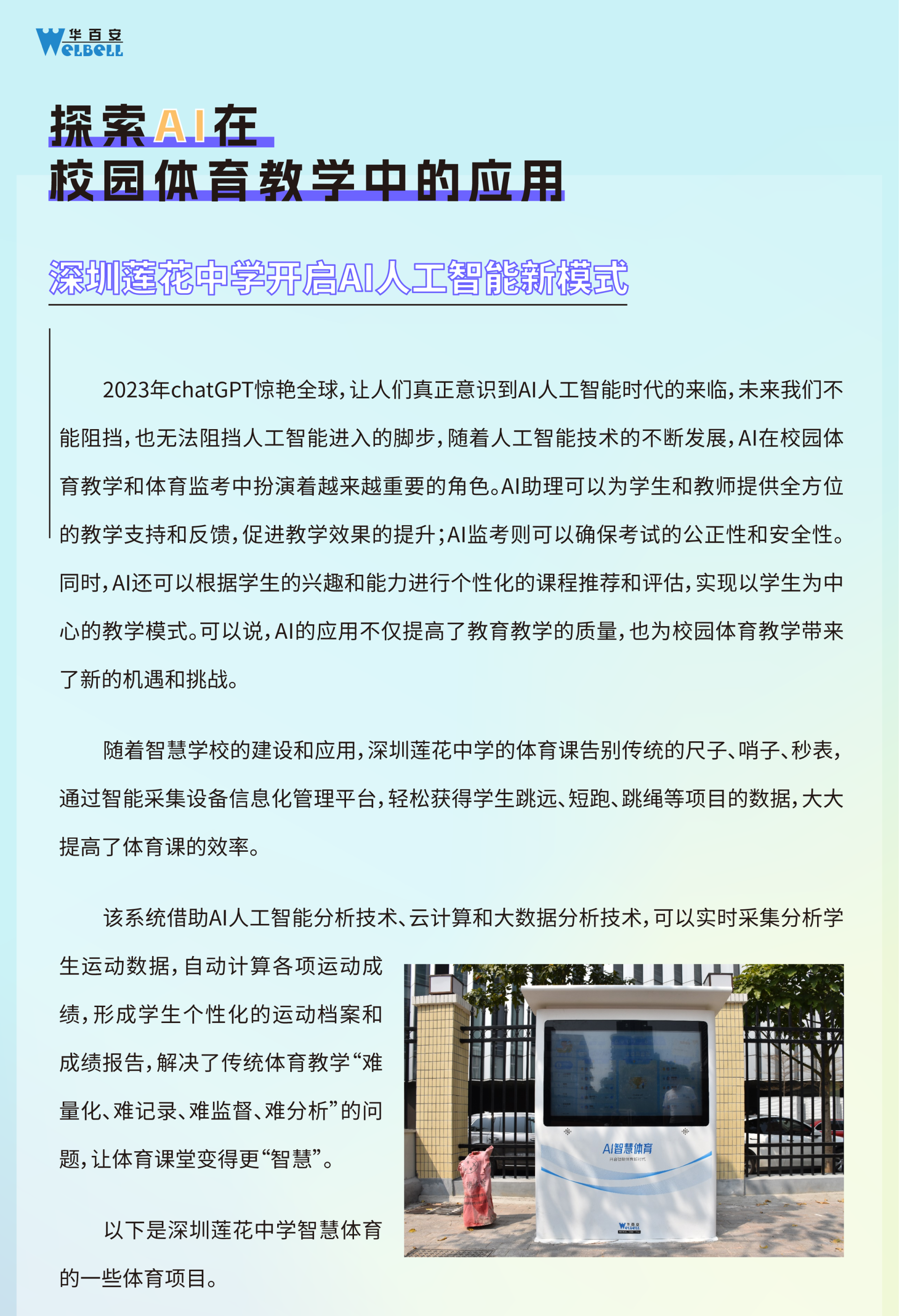
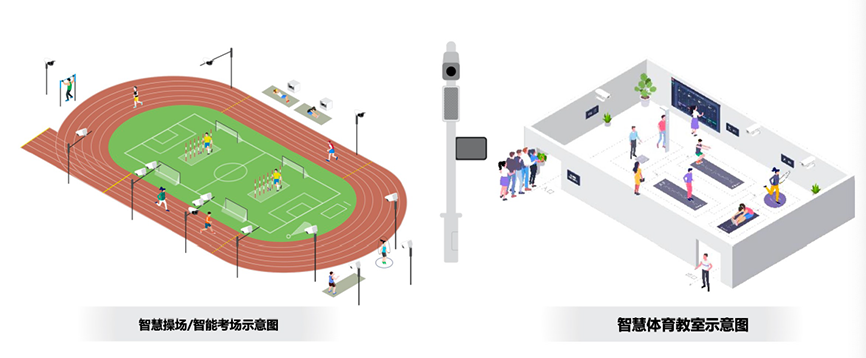
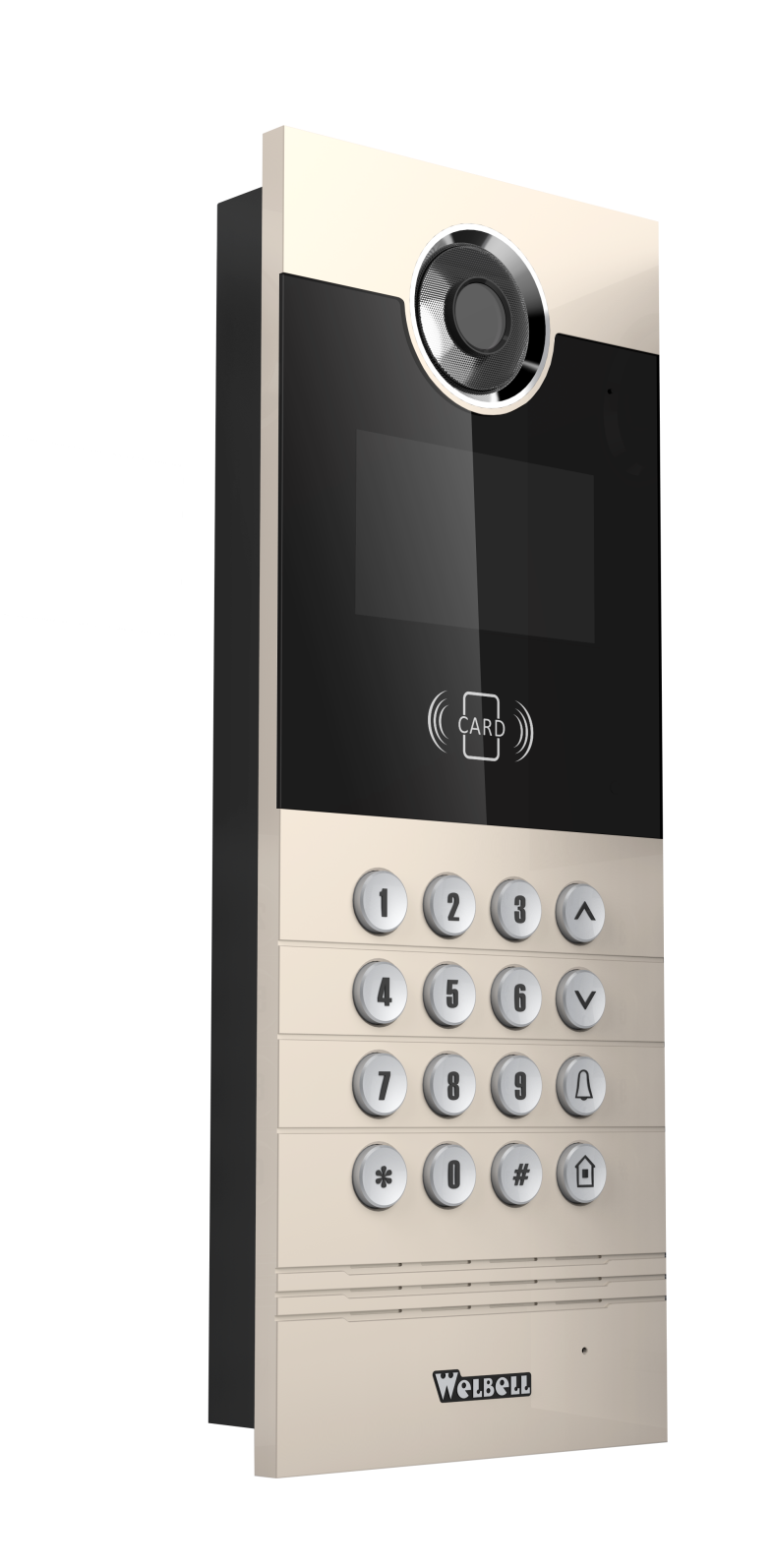
Welbell | AI Smart Sports Management System
2023-11-24

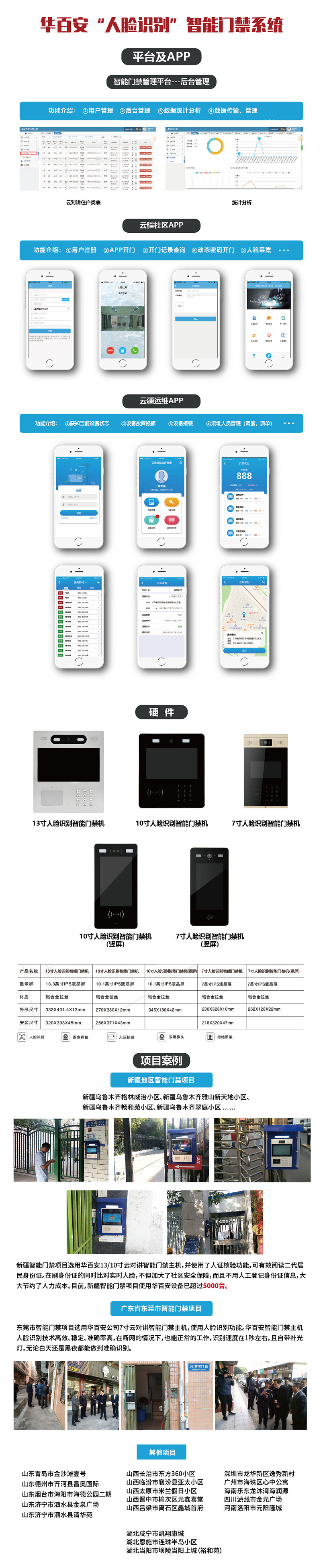
Welbell | Smart Campus Management Solution!
2020-03-26





Follow WeChat Official Account
Leave a Message
Customer-centric, thinking what customers think, allowing customers to get satisfactory and high-quality service more quickly.