

English
The Internet+ is driving the integration of buildings into highly systematic structures.
2017-04-12


“Internet Plus” signifies the deep integration of innovative achievements from the internet into various sectors of the economy and society, enhancing the innovation and productivity of the real economy. In the building industry, Internet Plus is driving the development of buildings towards high-level system integration, "active" energy management, and cloud services. The monitoring system is a crucial component of building automation and the key to unlocking building intelligence!

Building automation systems are one of the main components of intelligent buildings. Intelligent buildings use building automation systems to achieve comprehensive monitoring and management of equipment and the building environment within the building(s), creating a comfortable, safe, economical, efficient, and convenient work and living environment for building users, and reducing operating costs by optimizing equipment operation and management. Building automation systems involve building electricity, lighting, air conditioning, ventilation, water supply and drainage, fire protection, security, and garage management equipment and systems. It is the most extensive subsystem in intelligent buildings, with the largest design tasks and construction volume. Its design level and construction quality directly affect the realization of intelligent building functions.
Building automation system monitoring systems include multiple components, each with different functions.
Air conditioning monitoring
Building automation monitoring systems can monitor the air conditioning systems in buildings. Combining the flow rate of chilled water and the supply/return water temperature, the air conditioning system's cooling load is calculated and displayed on the automation system's CRT monitor. Based on the cooling load, the number of chilled water units started and stopped is determined using the group control equipment on the chilled water unit, thus achieving energy saving. The differential pressure of the supply/return water main pipes of the chilled water system is automatically controlled and measured to ensure that the system is at the normal differential pressure value. Interlock control is implemented between the chilled water pump and the cooling water pump. If one chilled water pump malfunctions, the backup pump can be automatically put into use. Monitoring of the air conditioning system mainly includes air conditioning cabinets, exhaust fans, fan coils, cooling chilled water pumps, and collectors.
Water supply and drainage system monitoring
The automated monitoring system in intelligent buildings can clearly show the operating status of water pumps in the building's water supply and drainage system and clearly record the specific operating time, water volume, and pressure values of the water supply and drainage equipment. If the water pump malfunctions, the intelligent building automation system can start the backup pump under interlock control and put it into operation. When monitoring the water supply and drainage system in a building, the following parts are mainly included: fire protection, domestic water pumps, sewage pumps, underground water pools, sewage pools, and water supply and drainage monitoring systems, etc.
Monitoring power supply and distribution system
A power monitoring system can be set up in intelligent buildings to ensure that the community power supply data acquisition is the same. Through the power monitoring system, the modularization of the hardware system is realized, making the system more reliable and safe. The use of a bus can reduce cable and construction costs. To scientifically analyze the entire community's compliance, it is necessary to monitor the on/off and analog quantities of lighting, air conditioning, and power supply in the entire building. In this case, the lighting and air conditioning distribution boxes in the control layer can be interchanged. If an unexpected problem occurs with a closed-loop power supply, the lighting task of one closed-loop bus can be switched to another closed-loop bus. Setting up a power monitoring system and carrying out control work can make the power supply safer and more reliable, maintain a higher level of power supply, and reduce the workload and difficulty of property management.
If a power monitoring system is used to achieve energy saving, the cost will increase significantly. To ensure the normal and safe operation of the power distribution system and guarantee the power distribution assessment, the control center needs to scientifically monitor and record the actual operating status of the power distribution system. The intelligent building automation monitoring system also needs to install a closed-circuit television system, a patrol system, and an access control system, etc.
Intelligent lighting system
In the current development of building construction, intelligent lighting technology has become a major content. Intelligent lighting has always been overlooked, and most buildings still use traditional lighting control methods. However, some intelligent buildings monitor lighting through automation systems to illuminate areas and achieve timed switching. This intelligent lighting system generally has two control channels per floor. Combined with illuminance, it is determined whether to turn on one or two channels, and the lighting is switched on and off at regular intervals, which can save electricity consumption.
Social development and progress have led to increasing demands on buildings, and intelligent buildings are an inevitable product of the development of smart city construction. Automated monitoring of intelligent buildings can effectively connect the various functions of the building to complete tasks together. The automated monitoring system can solve specific and unexpected situations in the building more promptly and quickly.
Related Info
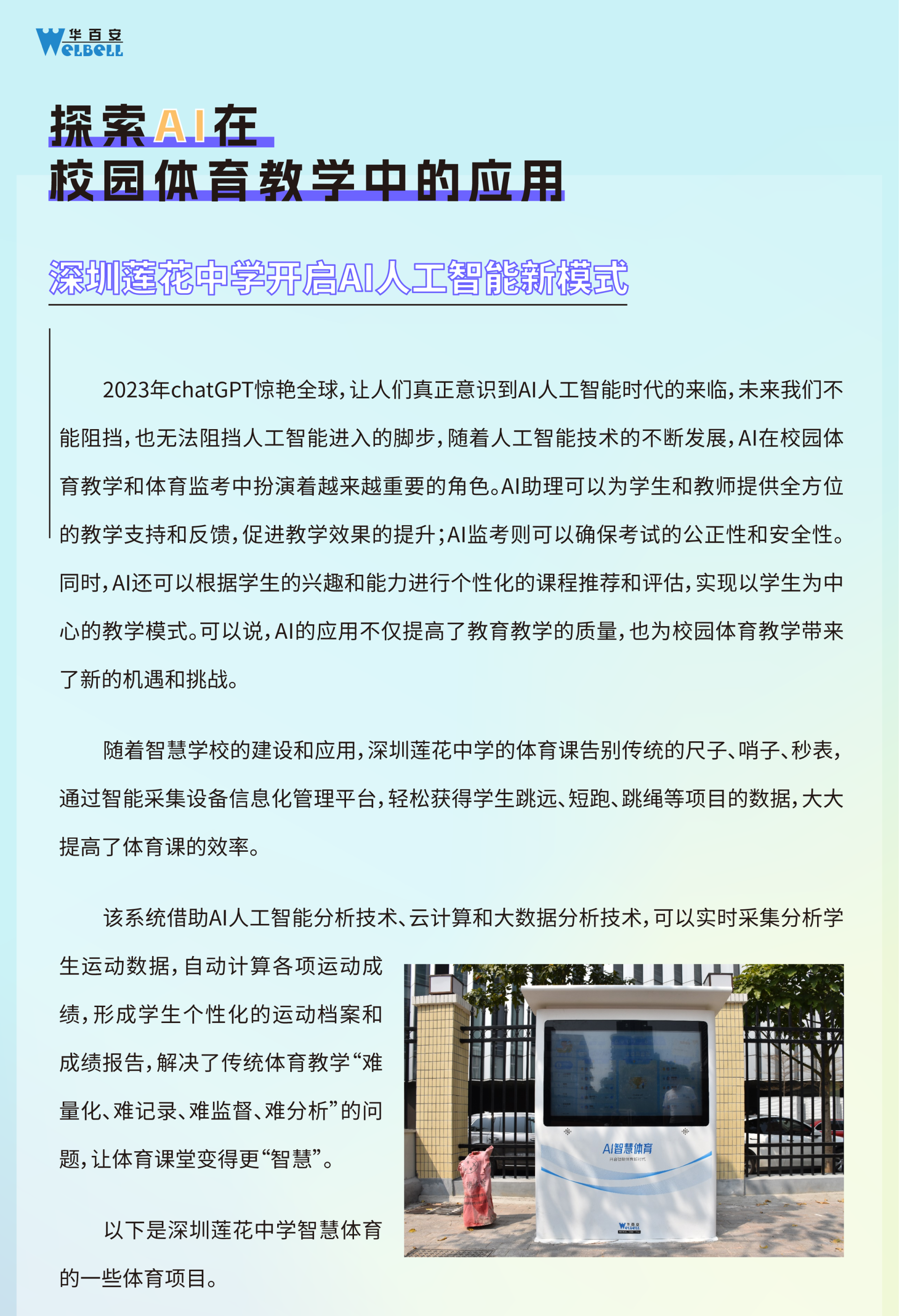
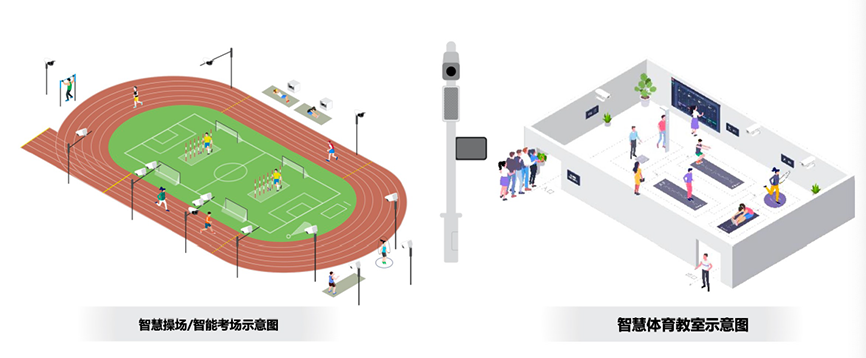
Welbell | AI Smart Sports Management System
2023-11-24

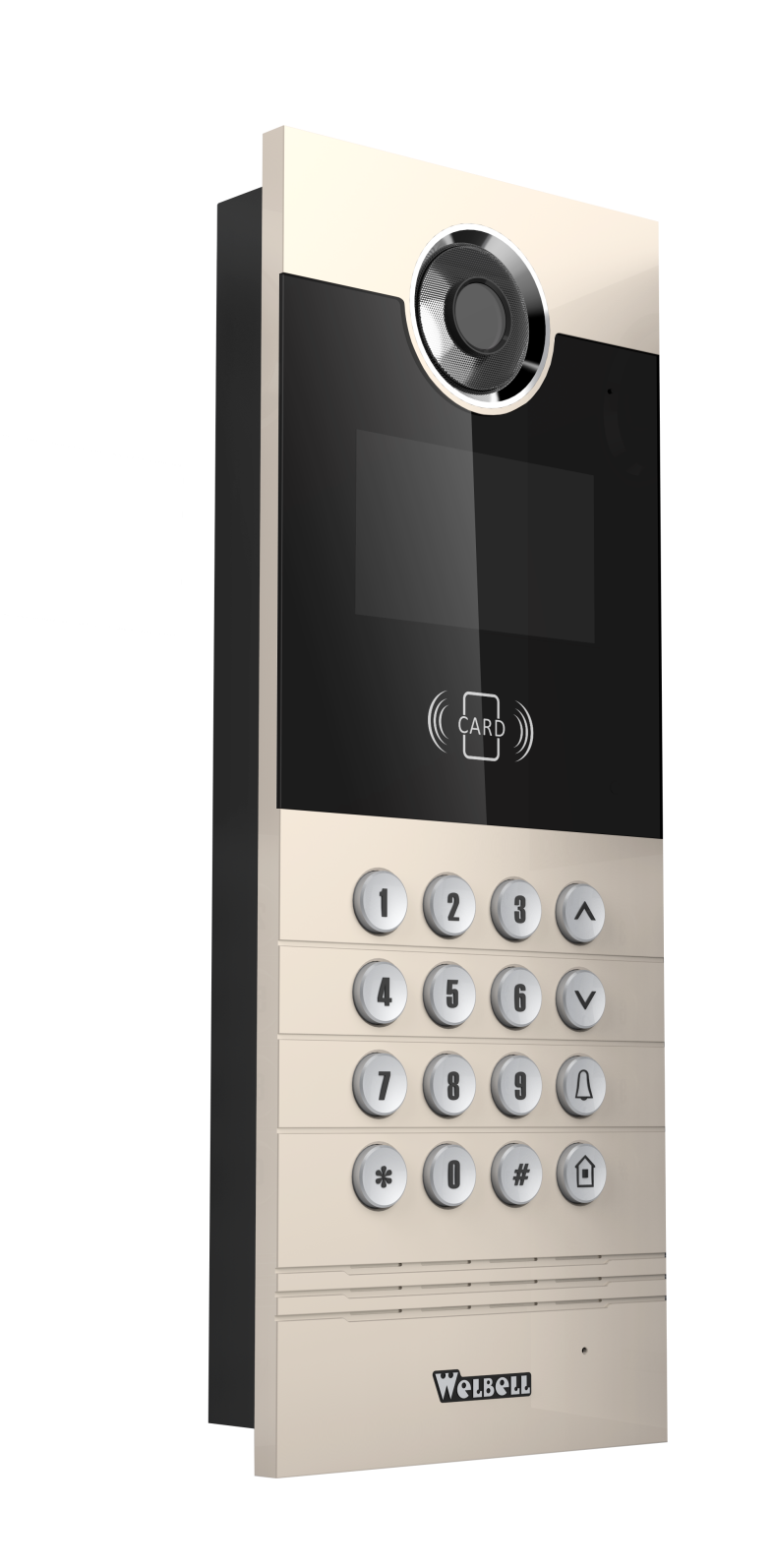
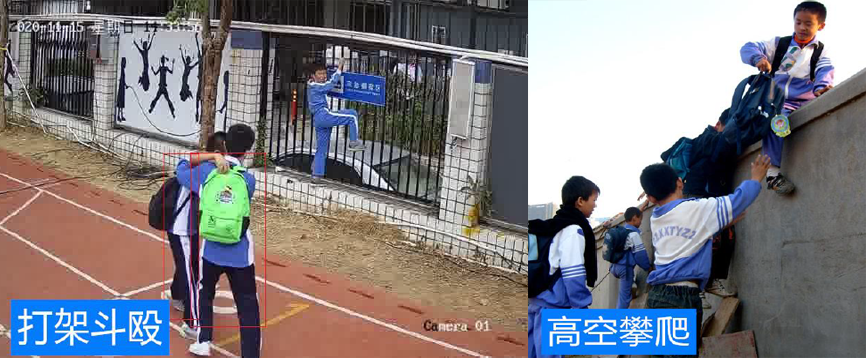
Welbell | Smart Campus Management Solution!
2020-03-26



Follow WeChat Official Account
Leave a Message
Customer-centric, thinking what customers think, allowing customers to get satisfactory and high-quality service more quickly.