

English
Why is access control the foundation of a smart home security system?
2017-06-09


In smart home field, door locks are another widely popular product after light bulbs. The participation of numerous manufacturers has rapidly accelerated development and provided consumers with a wide range of choices. In 2014, the size of China's smart home market reached 28.61 billion yuan, and it is expected to exceed 300 billion yuan by 2020, indicating huge market potential. It is expected that with the continuous improvement of internet technology, if "new generation" smart home products can gain a foothold in this market, it will have immeasurable significance for both enterprises and the industry. The importance of locks in smart homes cannot be ignored. We don't need to develop every aspect of smart homes; focusing on its development will yield significant returns.
Smart homes use residential areas as platforms, leveraging structured cabling technology, network communication technology, smart home system design solutions, security technology, automatic control technology, and audio-video technology to integrate home-related facilities. This creates an efficient management system for residential facilities and household affairs, enhancing home security, convenience, comfort, aesthetics, and achieving an environmentally friendly and energy-efficient living environment. Among these, security technology is indispensable in smart home systems.
Security technology in all applications constitutes a home security system, including: access control, emergency assistance, smoke detection and alarm, gas leak alarm, glass breakage detection alarm, infrared microwave detection alarm, etc. Access control is the basic application of the entire home security system.
With the rapid development of digital and network technologies today, access control technology has also made rapid progress. Access control systems have gone beyond simple door and key management; they have gradually evolved into a complete entry and exit security management system. Integrating microcomputer automatic identification technology and modern security management measures, it involves electronics, mechanics, optics, computer technology, communication technology, and biotechnology, among other new technologies. It is an effective measure for solving security management at the entrances and exits of important departments and is suitable for various confidential departments.
Access control systems can be divided into three major categories according to entry and exit identification methods: password recognition, card recognition, biometric recognition In recent years, with the development of contactless card technology and biometric recognition technology, access control systems have also undergone rapid development, entering a mature stage. They each have advantages in terms of security, convenience, and ease of management, and the application fields of access control systems are becoming increasingly wider. However, the most interesting and technologically advanced aspect for both industry insiders and outsiders is biometric recognition.
Biometric Access Control: Extremely Low Cost, Extremely High Security
Because human characteristics possess inherent and unique non-replicability, this biological key cannot be copied, stolen, or forgotten. Biometric identification is more secure, confidential, and convenient than traditional identification methods.
Biometric identification can be broadly divided into two categories: body characteristic recognition and behavioral characteristic recognition. Body characteristics include: fingerprint recognition, vein recognition, palm geometry recognition, retinal recognition, iris recognition, facial recognition, DNA recognition; behavioral characteristics include: voice and signature recognition, gait recognition. Biometric systems sample biological characteristics, extract their unique features, convert them into digital codes, and further combine these codes to form feature templates. When people interact with the recognition system for identity authentication, the recognition system obtains their characteristics and compares them with the feature templates in the database to determine whether the two match, thus deciding whether to accept or reject the request of the identifier.

Related Info
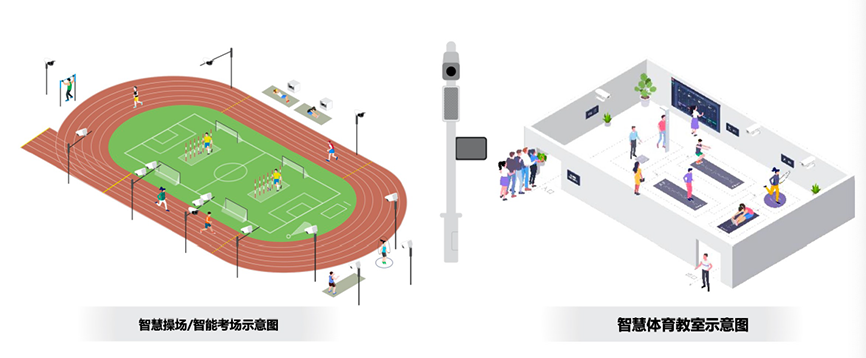
Welbell | AI Smart Sports Management System
2023-11-24


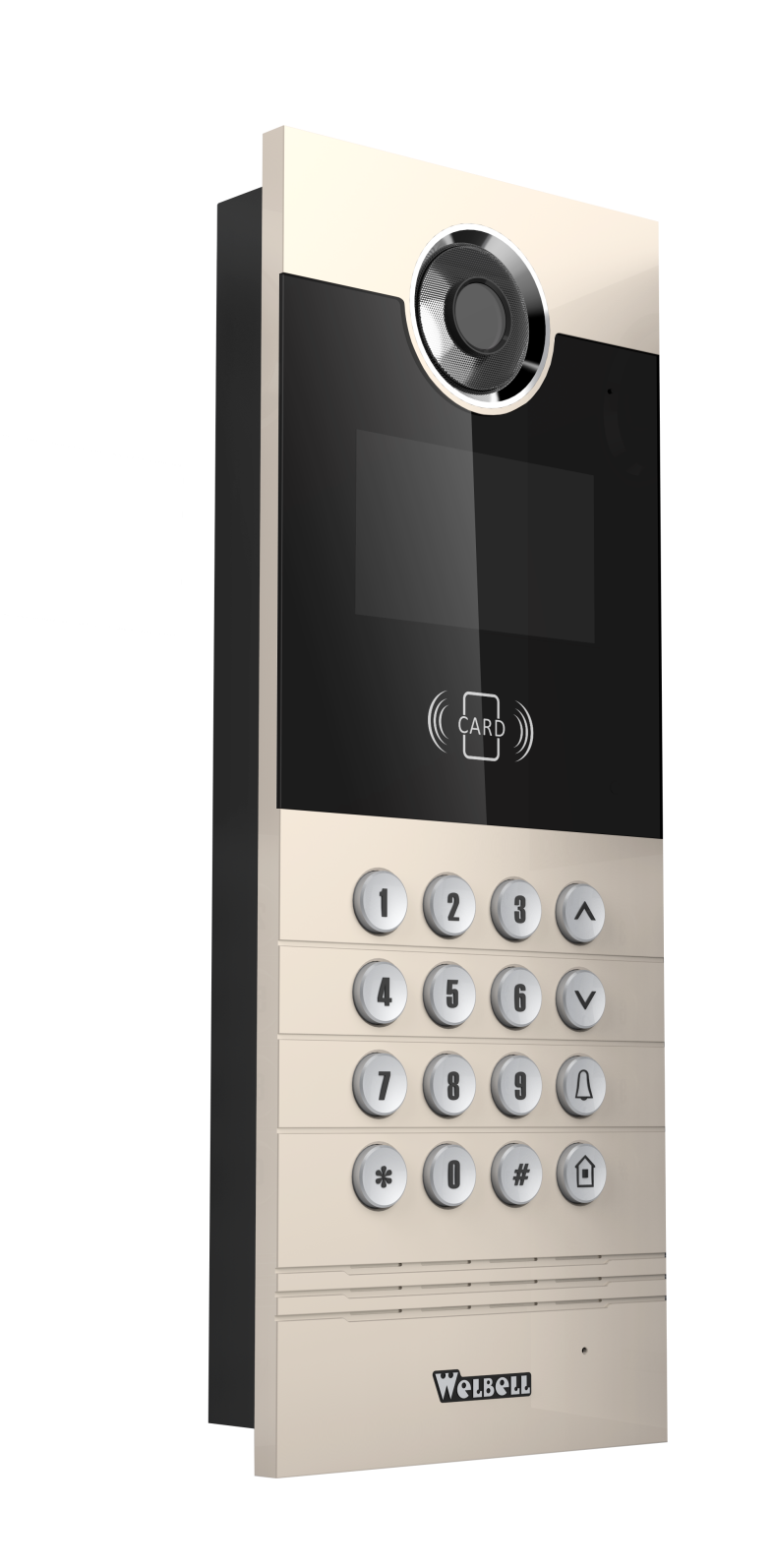
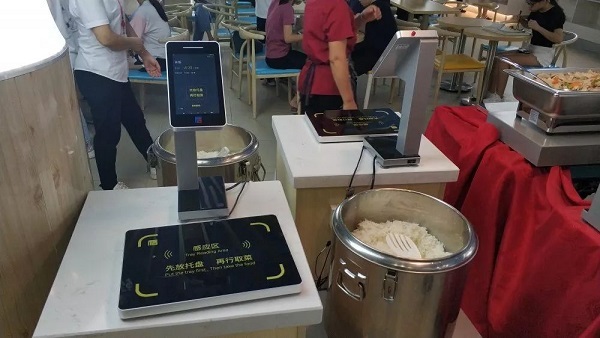
Welbell | Smart Campus Management Solution!
2020-03-26







Follow WeChat Official Account
Leave a Message
Customer-centric, thinking what customers think, allowing customers to get satisfactory and high-quality service more quickly.