

English
The close relationship between building intercom systems and smart cities
2017-08-04


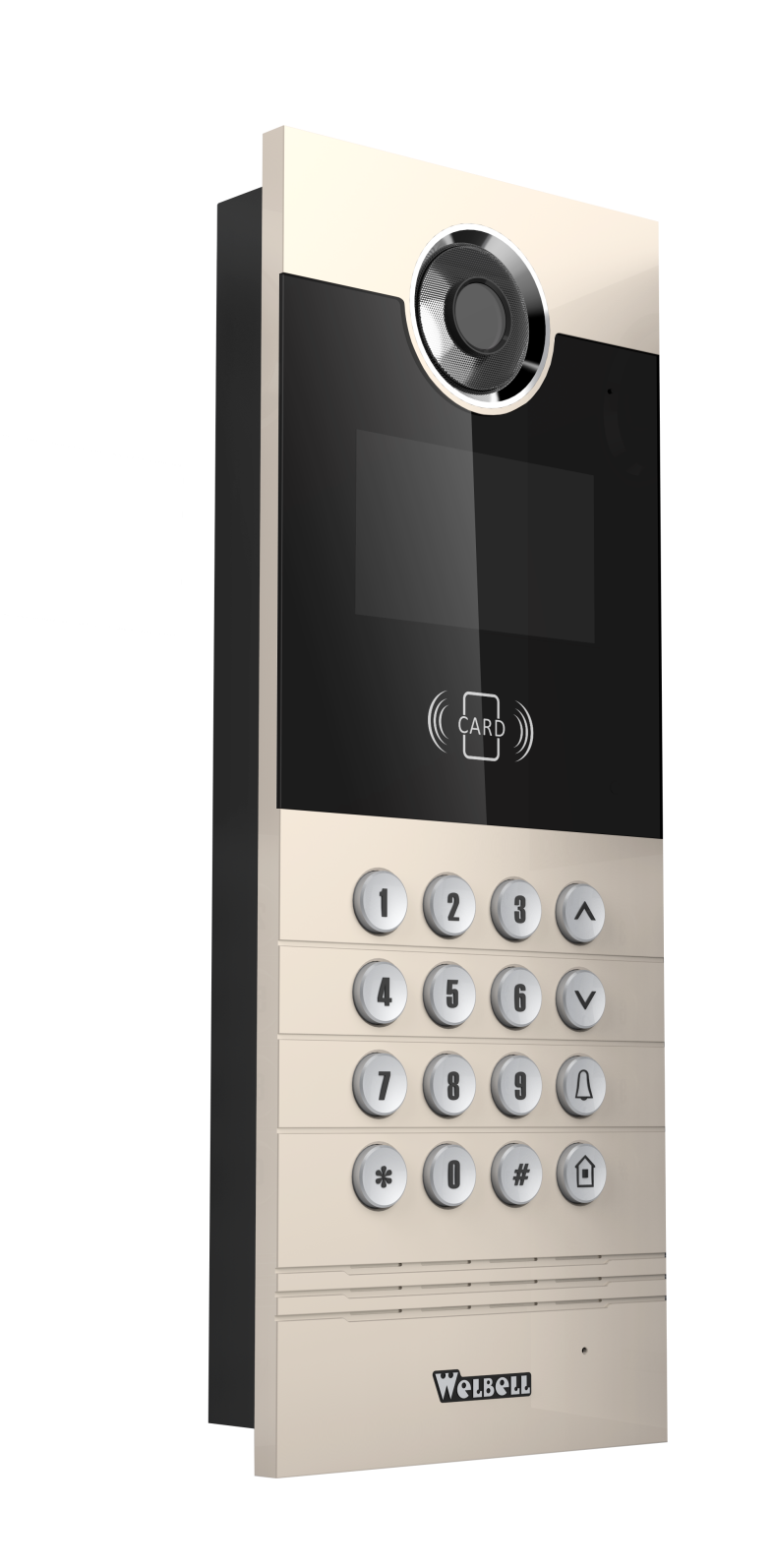
From high-end villas to newer, more modern residential complexes, intercom systems have become an indispensable security device in our lives. However, this seemingly widely used device has also inadvertently fallen into a cycle often experienced by security equipment—severe homogeneity.

With the widespread application of intercom systems, the development level and pace of intercom systems themselves have been brought to a higher level. In this atmosphere, intercom systems have ushered in an unprecedented development. From traditional old-style intercoms to later network and digital devices, in just a few years, intercom systems have made an unprecedented leap, providing ample impetus for their development.
However, this impetus is not foolproof, nor can it be sustained for long. Its biggest threat is the homogeneity often mentioned in the security field.
Today, although there is a clear division in the technical basis of intercom systems, in practical applications, most products, apart from achieving performance differences from other devices through working principles and technical characteristics, do not seem to have many functional changes. This has resulted in many technically different but functionally similar situations, naturally consuming user acceptance and patience.
More and more professional intercom manufacturers are delving into the smart home field, integrating digital intercom systems with smart home systems. This attempt not only greatly strengthens the interconnectivity of intercom systems, but also brings huge potential for functional expansion to both smart homes and intercom systems themselves.

Related Info
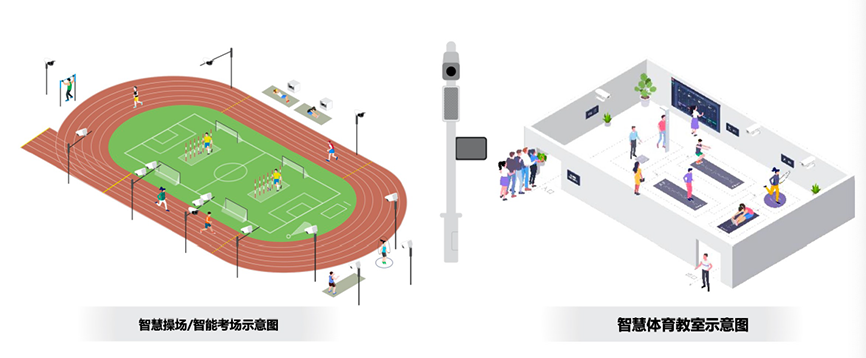
Welbell | AI Smart Sports Management System
2023-11-24


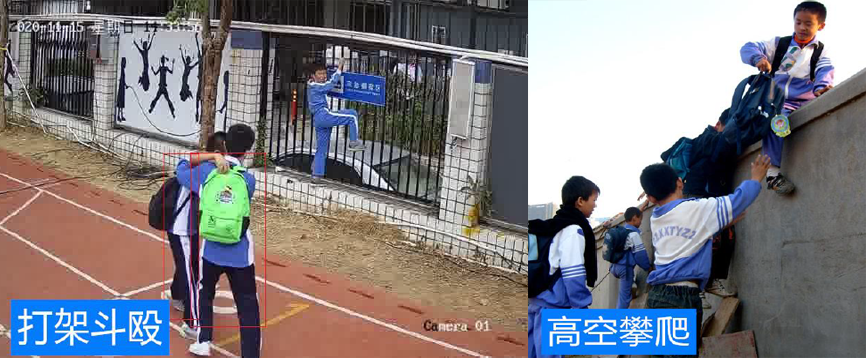
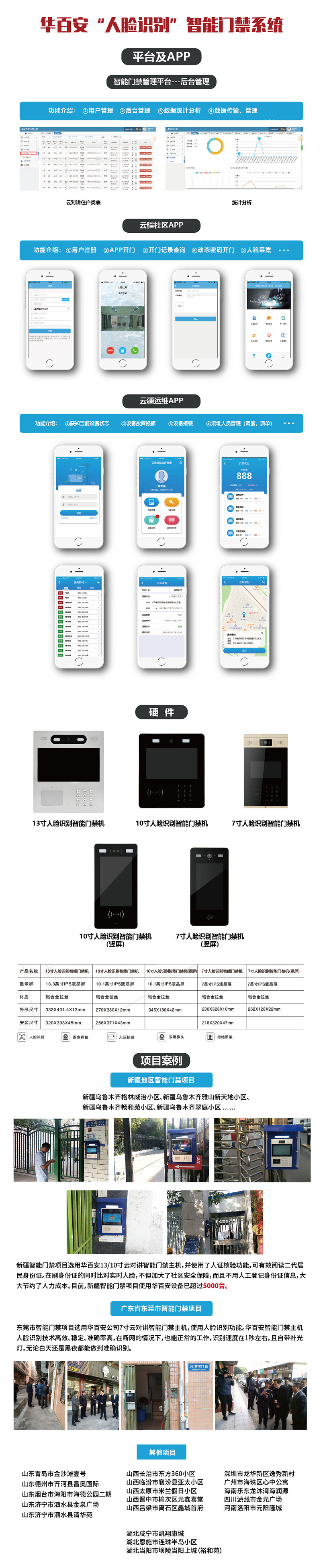
Welbell | Smart Campus Management Solution!
2020-03-26



Follow WeChat Official Account
Leave a Message
Customer-centric, thinking what customers think, allowing customers to get satisfactory and high-quality service more quickly.