

English
What is video intercom? What are its functions?
2018-10-22


Further improve the timeliness, accuracy, freshness, and comprehensiveness of information collection, especially for the floating population, achieving a general improvement in online registration rates, telephone number collection rates, information accuracy rates, and rental registration rates for the floating population.
As the national government strengthens its efforts to "remove walls" and security is retracted to the building level, it is necessary to construct a video access control system to ensure that unit entrances are "always closed," further enhancing the community's security capabilities and effectively curbing the incidence of rental-related crimes.
Through the construction of a video access control system, the entry and exit tracks of the floating population can be grasped in a timely and accurate manner, achieving a transition from static registration to dynamic control, while also enabling non-intrusive monitoring and management of suspicious individuals.
Through the construction of a video access control system, urban security is enhanced, the living environment is optimized, and various conflicts and disputes between landlords and tenants, and among tenants themselves, are effectively suppressed. Uncivilized phenomena such as posting "flyers" and distributing "handouts" are also effectively curbed. It can also provide early warnings for specific populations, such as those receiving government assistance and the elderly.
Preventing burglaries: Installing a video access control system based on second-generation ID cards as access credentials in areas with a high concentration of floating population (rural houses, residential communities, factories) prevents unregistered individuals from entering, denying criminals opportunities and significantly reducing crime rates in sensitive areas. According to relevant statistics, this can effectively reduce burglary rates by 40-60%, and provides verifiable evidence, deterring illegal activities.
Enriching the public security system's facial recognition database: When there is a significant discrepancy between the ID photo and the actual appearance of the registered individual, the front-end personnel information collection mechanism can capture the face, the system reports it in real time, and it interfaces with the public security system's facial recognition analysis to compare the ID photo with the captured face. If there is a mismatch, an automatic alarm is triggered.
Automatic deployment of surveillance on criminals in residential areas: The public security system publishes the ID numbers and names of fugitives, suspects, and criminals, creating a "blacklist." When relevant individuals register in the front-end system or are passively collected, if their ID numbers match those on the blacklist, the system automatically alerts the police in the background, enabling automatic deployment of surveillance.
Tracking of special groups: The dynamic management system for the floating population supports focusing on special individuals/groups (such as parolees, serial offenders, and high-risk individuals). The system generates event logs for the entry and exit of these individuals, creating separate reports and alerts to facilitate quick police inquiries and control.
Personnel classification and statistics: Enables classification or combined queries of information such as total personnel, household registration, and ethnicity, generating pie charts, bar charts, line charts, and GIS electronic map personnel distribution charts to provide intuitive data references for the police's deployment strategies.
Dynamic personnel alerts: Alerts for a sudden increase in new arrivals in different areas, queries on the real-time dynamic distribution patterns of personnel, historical dynamic distribution of personnel, and different types (which can be key focus objects, ethnicity, place of origin, etc.) are set to different colors, presented overall in a point, line, and surface manner.
Incident query function: The system can quickly query entry and exit records and related video capture images at the scene of an incident, quickly locking down the offender. Combined with publicity, this can deter criminals, protecting residents' lives and property, and building a harmonious society.
Quick search function for criminals: The system can aggregate all registered personnel across the province. Administrators can use the fuzzy search function in various management centers to quickly search for criminals.
Related Info
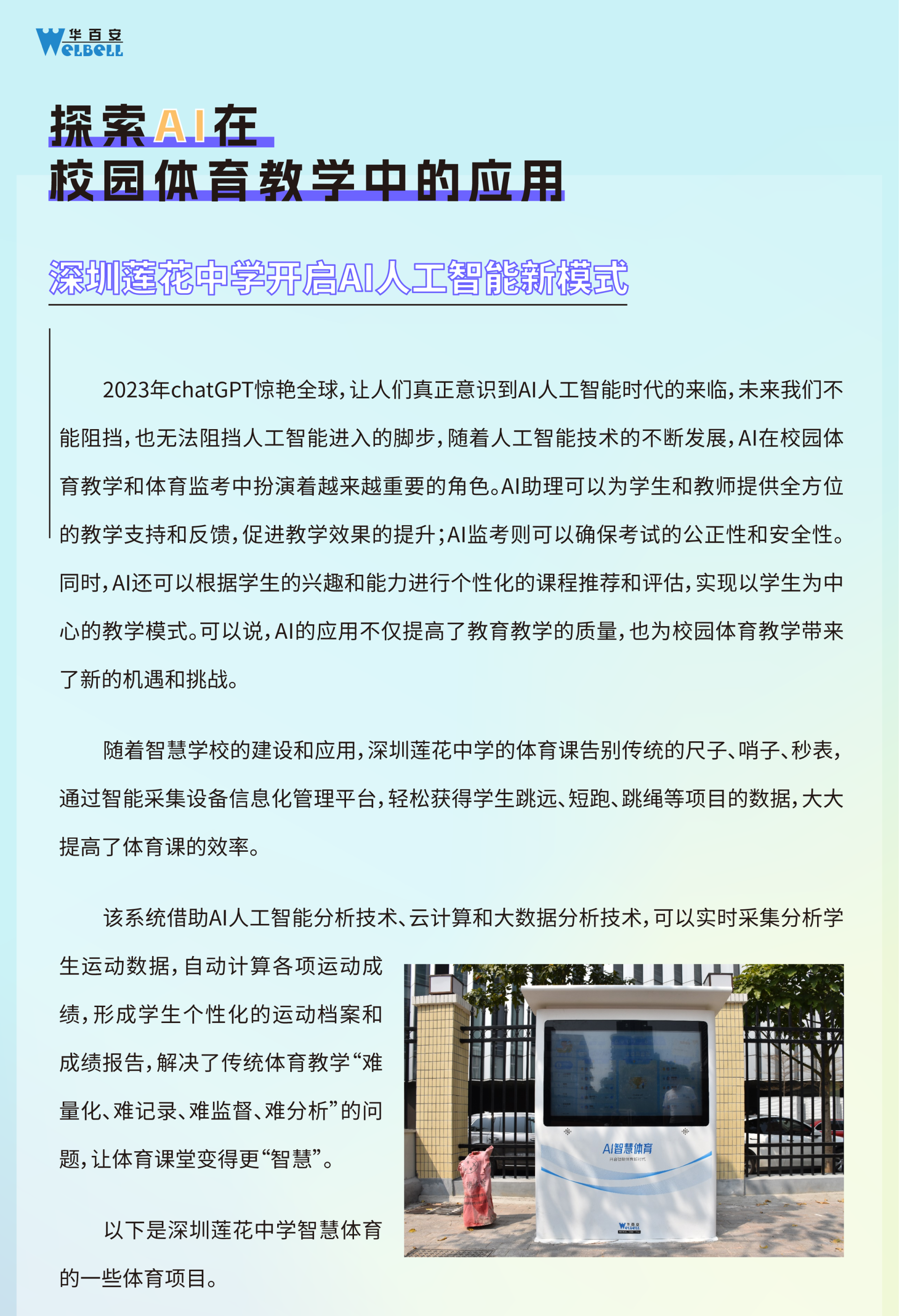
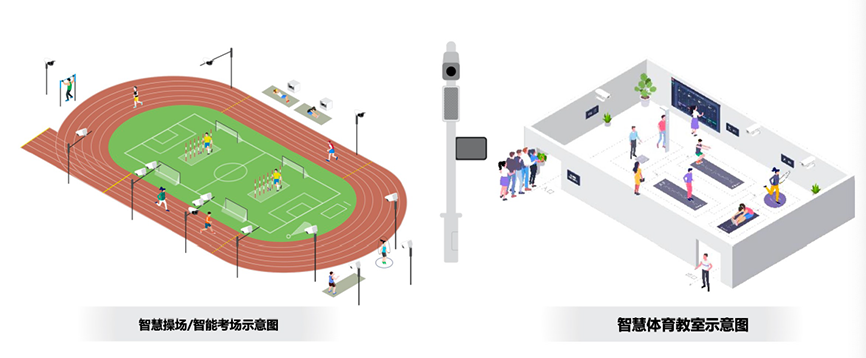
Welbell | AI Smart Sports Management System
2023-11-24

Welbell | Smart Campus Management Solution!
2020-03-26




Follow WeChat Official Account
Leave a Message
Customer-centric, thinking what customers think, allowing customers to get satisfactory and high-quality service more quickly.