

English
Children's safety cannot be ignored. AI intelligence protects the flowers of the motherland.
2019-06-03


International Missing Children's Day falls on May 25th, just before Children's Day on June 1st, a joyous occasion for children. However, few people realize that the issue of missing and abducted children has become one of the most pressing and painful social problems in China today. According to unofficial statistics, around 200,000 children go missing in China every year.
A major cause of child disappearances is human trafficking, which inflicts devastating consequences on families and society. Even more disheartening is the consistently low clearance rate of these cases. According to police data, the average time to solve a child abduction case in China is six months. During this lengthy investigation, the child may have been sold multiple times, making recovery extremely difficult. Even if found, the trauma can cause irreversible psychological damage to the child and family.
In this cruel and complex web of problems, big data and artificial intelligence are emerging as key variables for change. Today, the application of AI in finding missing children and solving abduction cases is not just a static technological sample, but is evolving at an unexpectedly rapid pace.
How long does it take for AI to monitor and apprehend human traffickers?
On the eve of the 2017 Spring Festival, a three-year-old child went missing in Longgang District, Shenzhen. After receiving the report, the police station quickly located a video clip showing a middle-aged woman suspected of taking the child. However, the image was blurry, making identification difficult. Police used fuzzy image search to match the blurry image with a high-definition image. They then identified the woman through the national ID database, discovering she had checked into a hotel. Hotel video footage confirmed the abduction, and the national police database revealed she had taken a train from Shenzhen North Station to Wuhan. Police officers in Wuhan quickly rescued the child. The entire process took less than 15 hours. The child was returned to their parents' arms before they even experienced significant fear.
Now, let's reconstruct the AI's role in this case:
1、 Video data precision restoration: City surveillance cameras don't always produce high-definition footage. Limitations in space, angle, lighting, and movement often result in blurry videos. In the case above, Shenzhen police found a video of a suspected trafficker, but the image was too blurry for human identification.
Using facial recognition technology, police matched the blurry image with a high-definition image. Advanced machine learning algorithms restored the image's clarity, ensuring accurate facial searches and preventing misidentification.
2、Facial search and trajectory tracking: With a clear image of the suspect, the next step was facial recognition. This required a vast database and precise matching capabilities to identify the suspect.
3、AI monitoring and nationwide data integration: Data integration is crucial for improving police efficiency. In this case, police combined facial recognition and AI trajectory monitoring with national transportation and public transit data to create a wide-ranging AI tracking system. Police used the national database to track the suspect's train ticket information, ultimately locating the child.
Next: Accelerated facial search and proactive child search
Previously, in cases of child abduction, the American Amber Alert system was often cited. However, Amber Alert is highly integrated with police resources and regional communication characteristics, making it largely unsuitable for China's urban and transportation networks.
With the development of multimedia and artificial intelligence technologies, the amount of image data captured by smart cameras is rapidly increasing. This massive amount of data allows for quick and accurate retrieval. Under China's "Safe City" initiative, major streets and crowded areas are equipped with cameras, but coverage in residential communities and apartment buildings remains insufficient. In 2016, the central government included the construction of a public security video surveillance system in the "Thirteenth Five-Year Plan" and national security capacity building plan, deploying the "Snow Bright Project." The goal was to achieve "full coverage, full network sharing, full-time availability, and full control" of public security video surveillance by 2020. Video access control systems strengthen and extend the "Snow Bright Project," providing an additional layer of security for communities and homes.
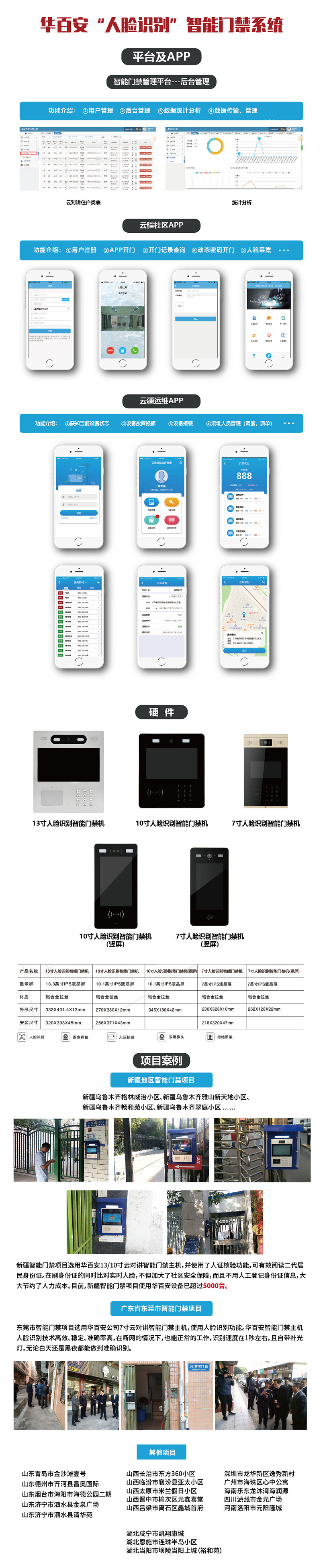
Welbell's video access control solution uses leading international facial recognition technology. It supports facial recognition unlocking, mobile app unlocking, and visitor dynamic password unlocking. Importantly, it captures high-definition photos and 15-second videos before and after unlocking, enabling management of transient populations, blacklist comparisons, monitoring of key individuals, and 24-hour recording. Images of missing or abducted children and traffickers can be input into the system; if they enter the monitored area, the system will quickly detect and alert authorities.
Welbell Video Access Control Solution
Related Info
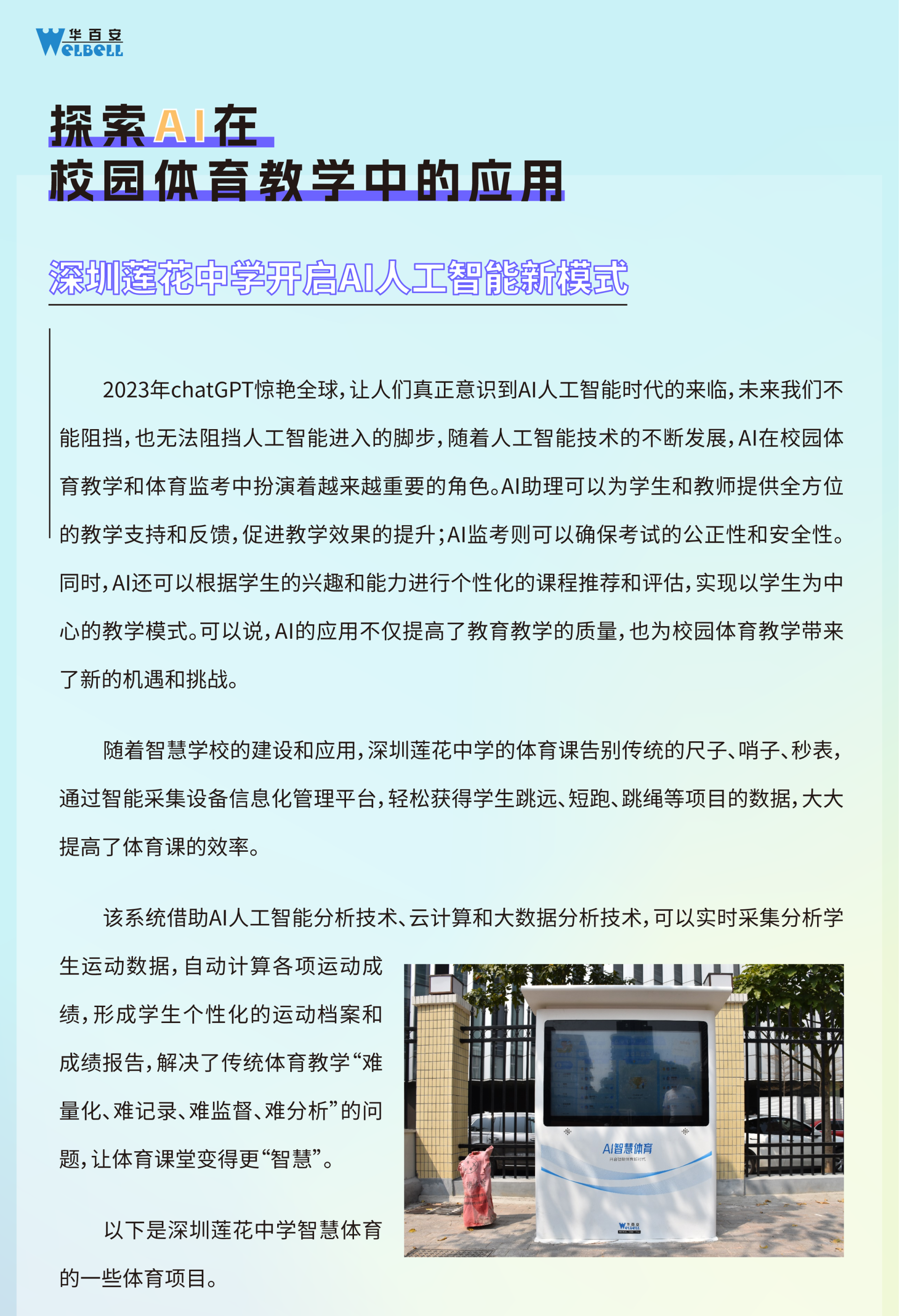
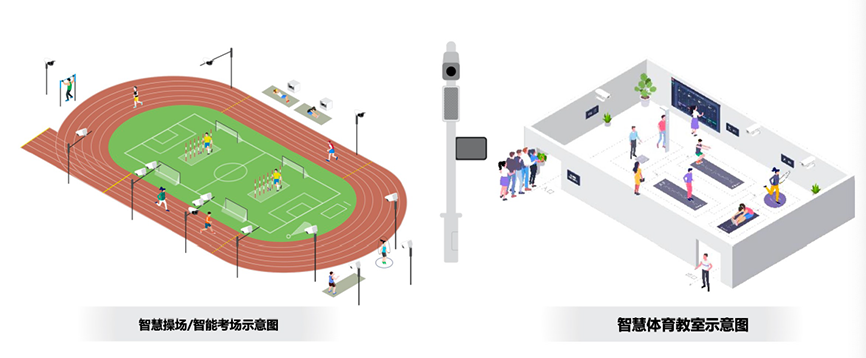
Welbell | AI Smart Sports Management System
2023-11-24


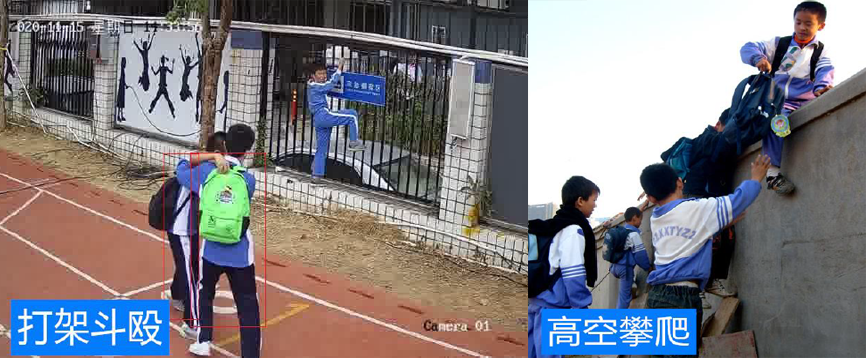
Welbell | Smart Campus Management Solution!
2020-03-26






Follow WeChat Official Account
Leave a Message
Customer-centric, thinking what customers think, allowing customers to get satisfactory and high-quality service more quickly.