

English
The Internet of Things (IoT) is not far-fetched; it has already "潜伏" in our lives.
2017-03-09


With continuous advancements in technology, the Internet of Things (IoT), once considered a "futuristic concept," is gradually becoming a reality, no longer out of reach. In today's era of widespread IoT adoption, everyone seeks to leverage the IoT's potential to improve their lives and achieve a perfect living state.

The Internet of Things is no longer a distant prospect; it has already "infiltrated" our daily lives.
The Internet of Things (IoT) is a network of interconnected physical objects. When information sensing devices such as radio-frequency identification (RFID), infrared sensors, global positioning systems (GPS), and laser scanners are equipped on various real-world objects, all data can be formed and uploaded to the network. This allows real-world objects to be given "intelligence," enabling "communication" and "dialogue" between objects and between people and objects, thus forming the IoT. The IoT is the next wave of the information industry, following computers, the internet, and mobile communication networks.

IoT technology is ubiquitous and has already "infiltrated" the daily lives of ordinary people.
For example, the popular city public bicycles—"Mobike shared bicycles"—use IoT technology. Users unlock the bikes by scanning a code and return them at designated locations. These bikes utilize IoT technology, eliminating the need for manual supervision and charging. Users download an app, scan the QR code to identify the bike number, and transmit the number to the backend server for authentication. After obtaining permission, the electronic lock is opened via Bluetooth. During the ride, the bike's location is transmitted back to the server via the built-in GPS and GSM modules, stored as trajectory data. This data can also be used for location tracking, theft prevention, and operational management.

Another example is the ETC (Electronic Toll Collection) system used on many highways. These toll booths are unmanned, using in-vehicle identification chips. Drivers only need to slow down, and the billing system automatically completes the payment. This increases traffic efficiency and reduces management costs.

IoT technology is rapidly penetrating various application fields, from people's daily lives to national strategic industries. In the future, in key consumption areas such as smart cities, smart homes, and national defense projects, integrating mobile internet innovation elements will not only potentially create a series of new products, services, and business models, but will also open up huge opportunities for industrial upgrading. This is crucial for boosting the vitality of the IoT industry.

Related Info
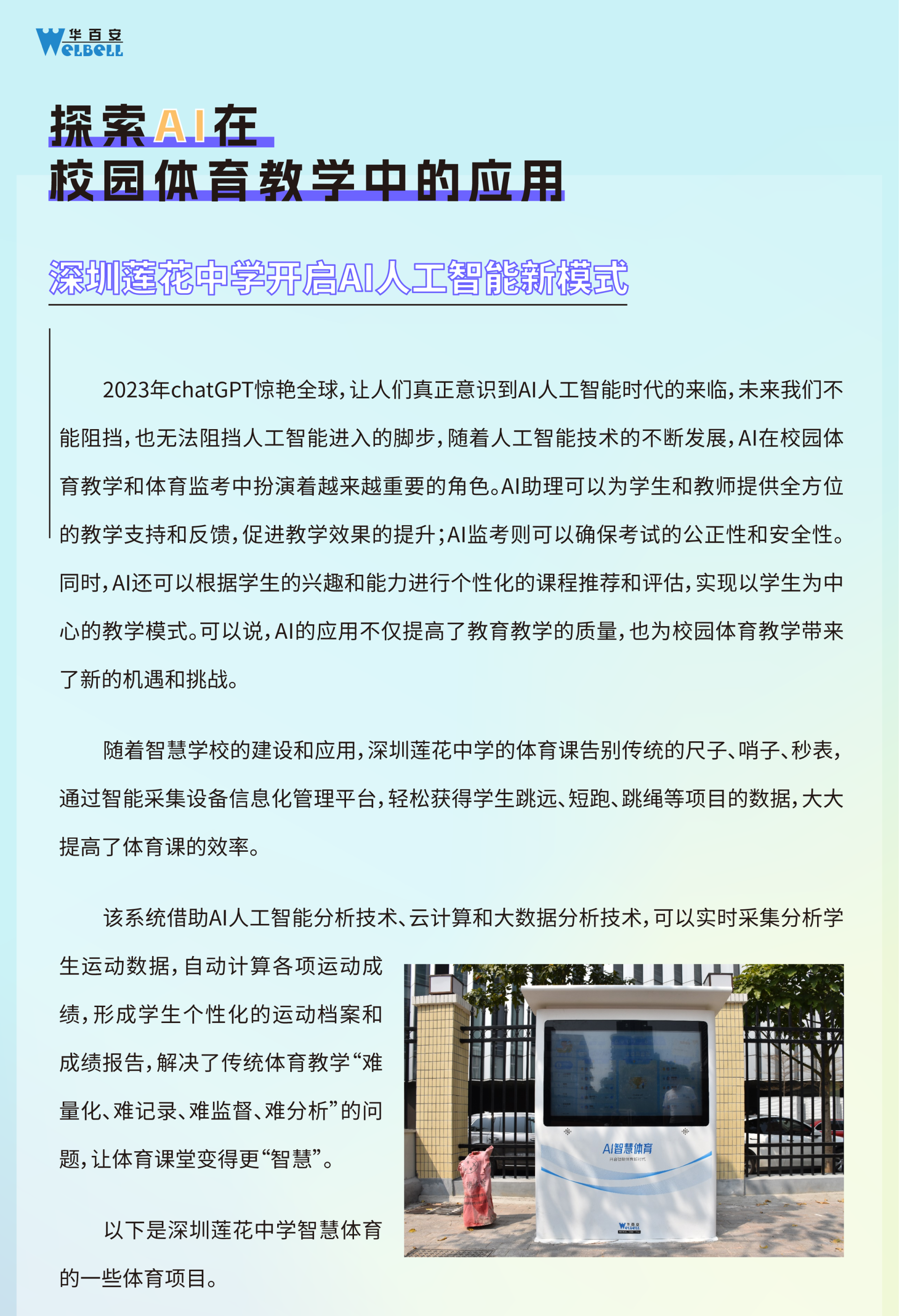
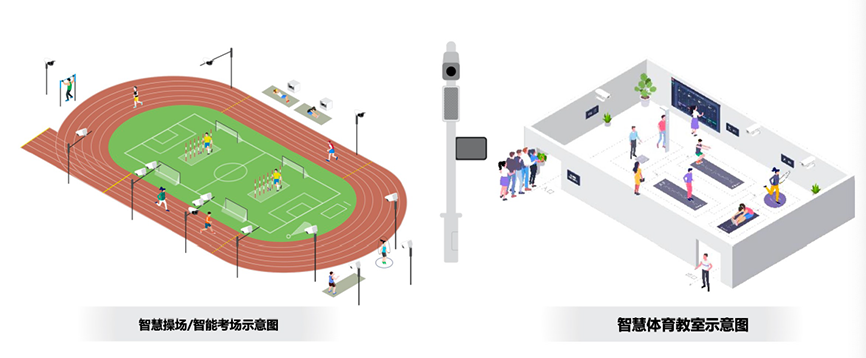
Welbell | AI Smart Sports Management System
2023-11-24

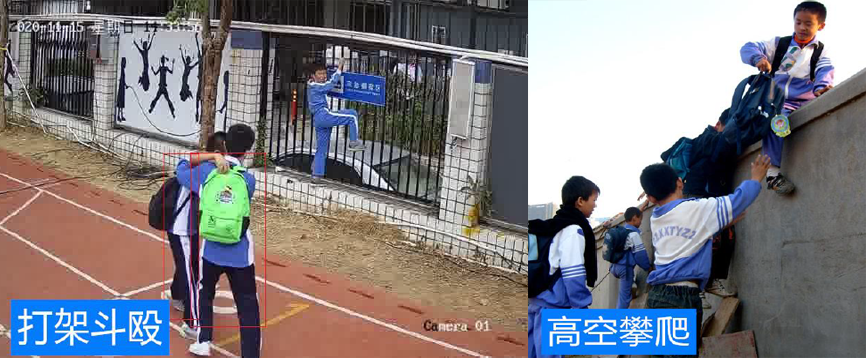
Welbell | Smart Campus Management Solution!
2020-03-26



Follow WeChat Official Account
Leave a Message
Customer-centric, thinking what customers think, allowing customers to get satisfactory and high-quality service more quickly.